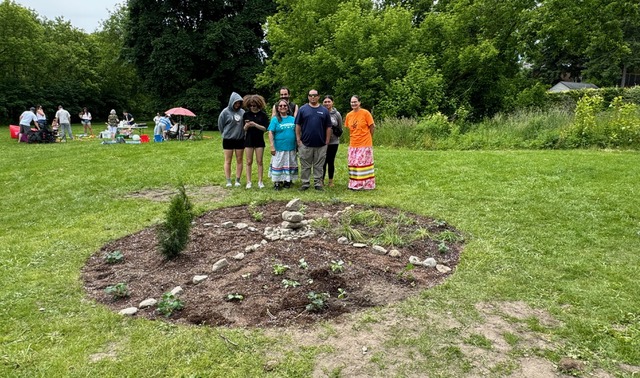
Toronto Carrying Place (Ojiibwe name is Gabekanaana) is an ancient trading route used by many First Nations for thousands of years. It connected the Gulf of Mexico to the north shore of Lake Superior. A medicine garden marks where it traverses Smythe Park.
1615 Étienne Brûlé, interpreter of Samuel de Champlain, is entrusted with a mission among the Indians and takes the portage of the Humber River travelling through Smythe Park. He would be the first white man recorded to see the Great Lakes.
August 22 1680 Rene-Robert cavalier de La Salle left Baby Point, a First Nations village named Teieagon, followed Carrying Place to Lake Simcoe and arrested 2 deserters who took some of his trade goods. He is is one of the first to use the name “Toronto” to describe his passage through the Humber River portage, which he called “Toronto Portage”
1792 Augustus Jones, Deputy Surveyor General for Upper Canada began surveying the area. He married Tuhbenahneequay daughter of Chief Wahbanosay of the Mississaugas and their second son Peter Jones became a missionary.
1793 Lt. Gov. John Graves Simcoe stopped for lunch along the banks of Black Creek then camped at Eglinton Flats along the Humber River. This was one of the first things he did upon arrival.
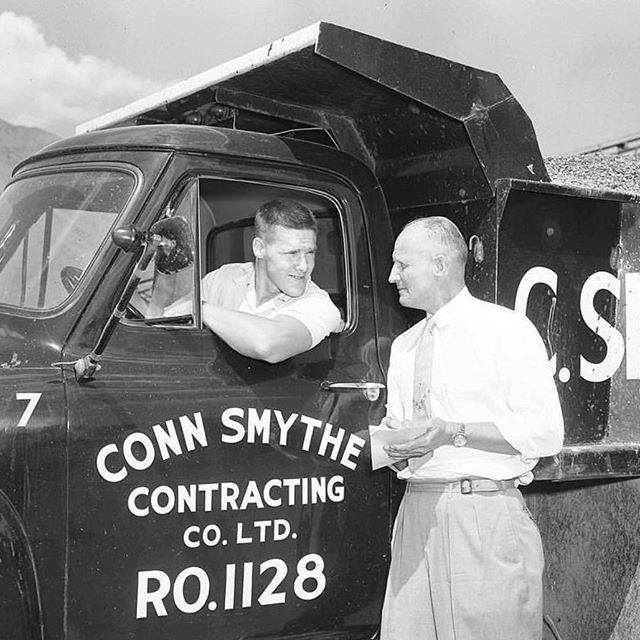
1940s and 50s, Conn Smythe of Maple Leafs fame, owned the land and used some of it for his Sand and Gravel company. When he closed the business he donated the land to the community for a park. He also built the homes in the area for wounded veterans returning from the war and later Toronto Maple Leaf players lived in them as well.
Heritage Toronto has approved a plaque to be erected honouring this history.