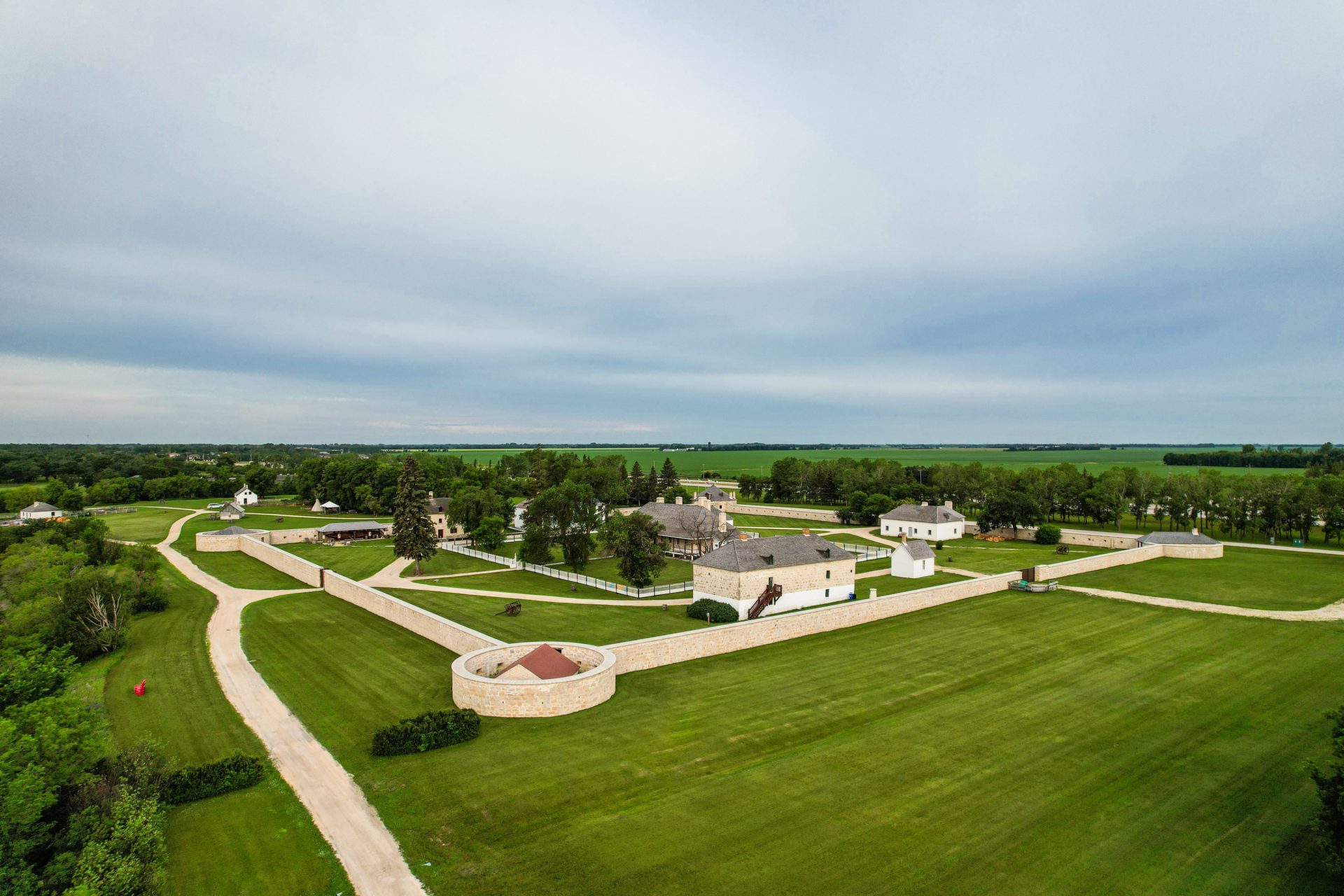

Towering safely above the high-water mark of Manitoba’s infamous Red River sits Lower Fort Garry National Historic Site, a place of roughhewn Tyndall stone walls and sturdy historic buildings at the eastern edge of the vast Canadian prairies.
Lower Fort Garry is a place of firsts. Here, the first numbered treaty was signed with Treaty No. 1 First Nations. It is also the site of the first training centre for the North-West Mounted Police, Manitoba’s first prison and psychiatric facility, and the first commercial farm in Western Canada.
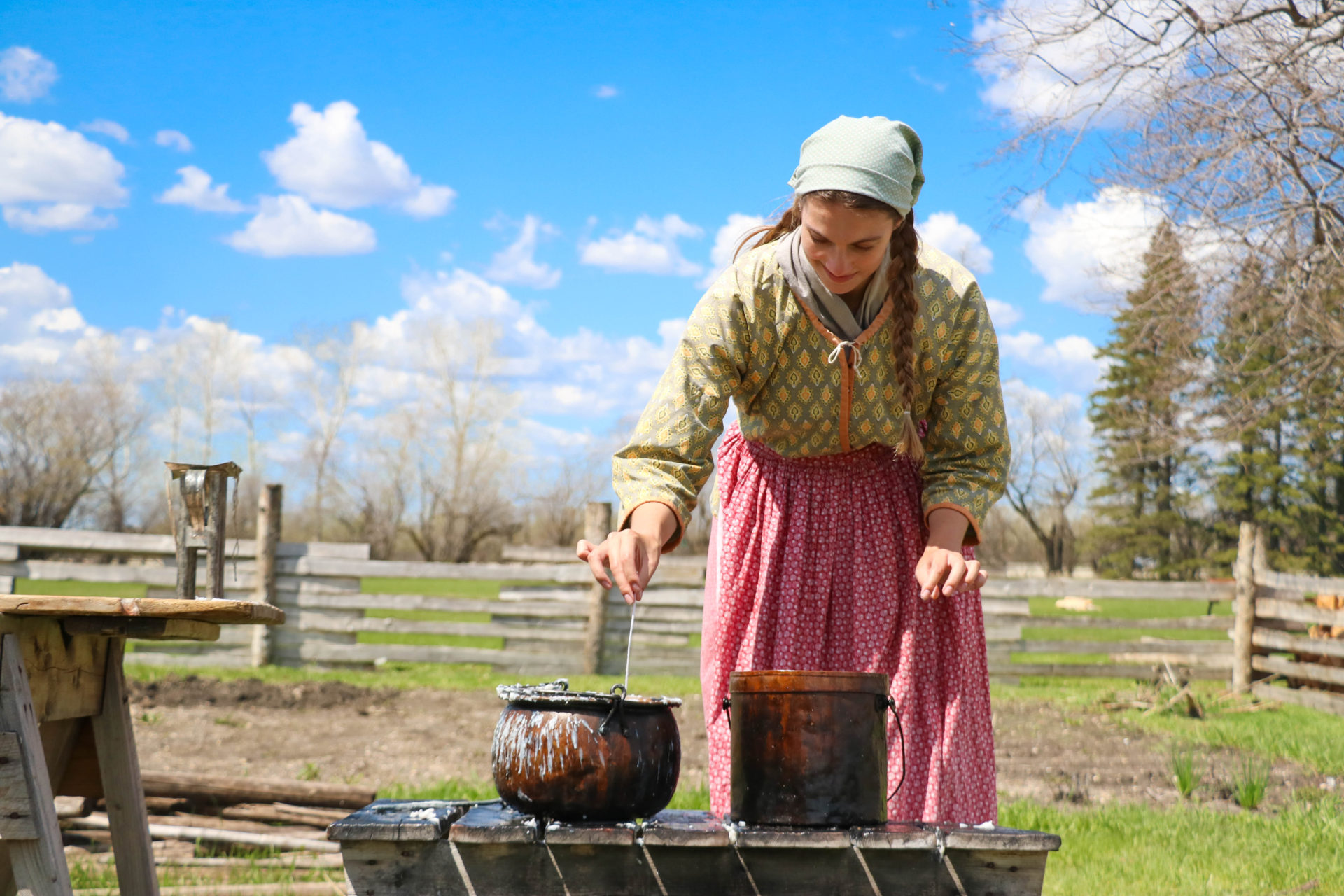
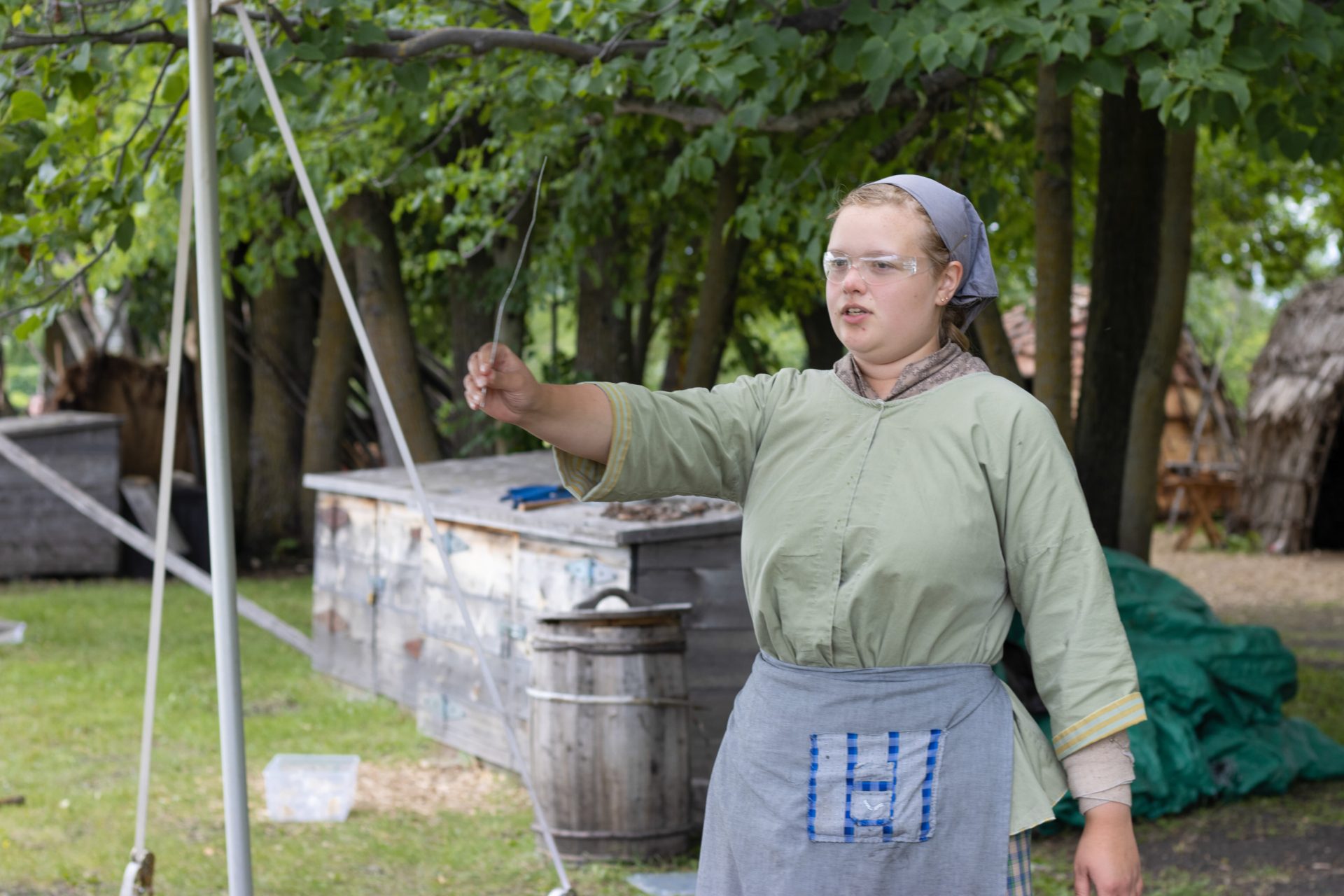
This is where a young Western Canada began to take shape. History will unfold before your eyes at this restored 19th-century fort, where skilled costumed interpreters evoke the spirit of the past on this Red River Settlement. Meet the governor of the Hudson’s Bay Company within the fort’s historic stone walls, barter with the company clerk or sit under an authentic birch bark dwelling and listen to stories from Indigenous Elders.
With an on-site restaurant, theatre and gift shop, it’ll take you days to fully absorb this majestic site full of grand history and elaborate character.
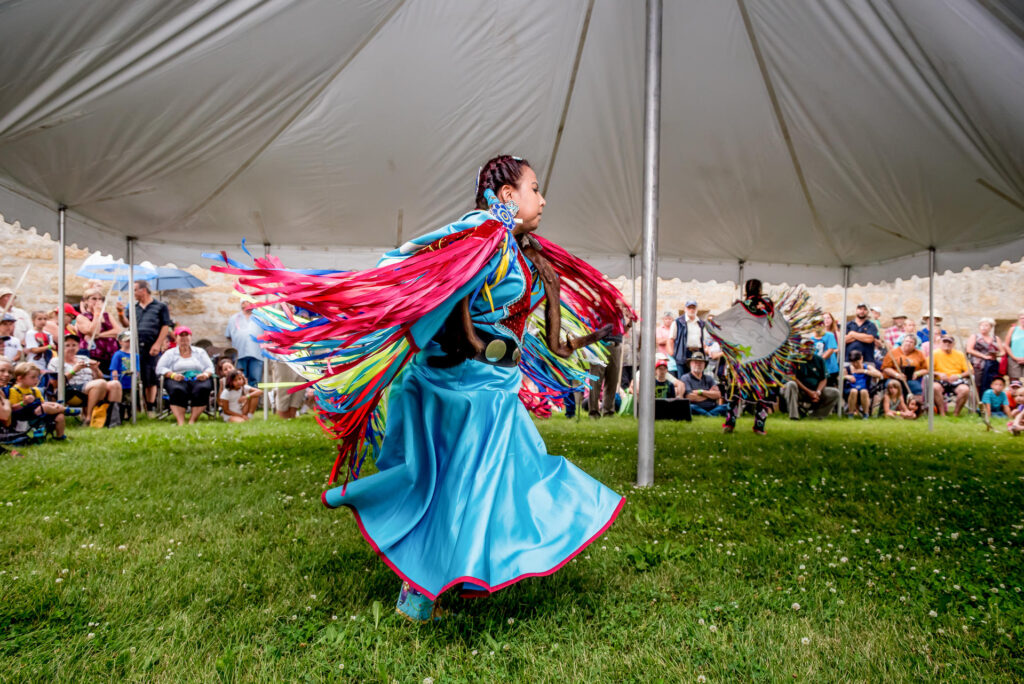
Lower Fort Garry was a centre of exchange, not only of goods, but of ideas, agreements, and decisions. Communication took place through written correspondence, oral negotiation, and diplomacy. The site is also where Treaty No. 1 was signed in 1871, highlighting the lasting importance of dialogue and communication between Indigenous nations and the Crown.
History will unfold before your eyes at this restored 19th-century fort, where skilled costumed interpreters evoke the spirit of the past on this Red River Settlement.
Step into a microcosm of Canadian history, follow a costumed guide, and hear tales of the fort’s inhabitants who helped shape this historic stronghold and the vision of Western Canada.
Take a walk down to Gabeshiwin and explore the birchbark wigwam and buffalo hide tipi. Make sure you don’t miss out on the historic weapons demonstration! Interpreters will walk you through the process of assembling historic firearms before demonstrating their use outside the walls of the fort.